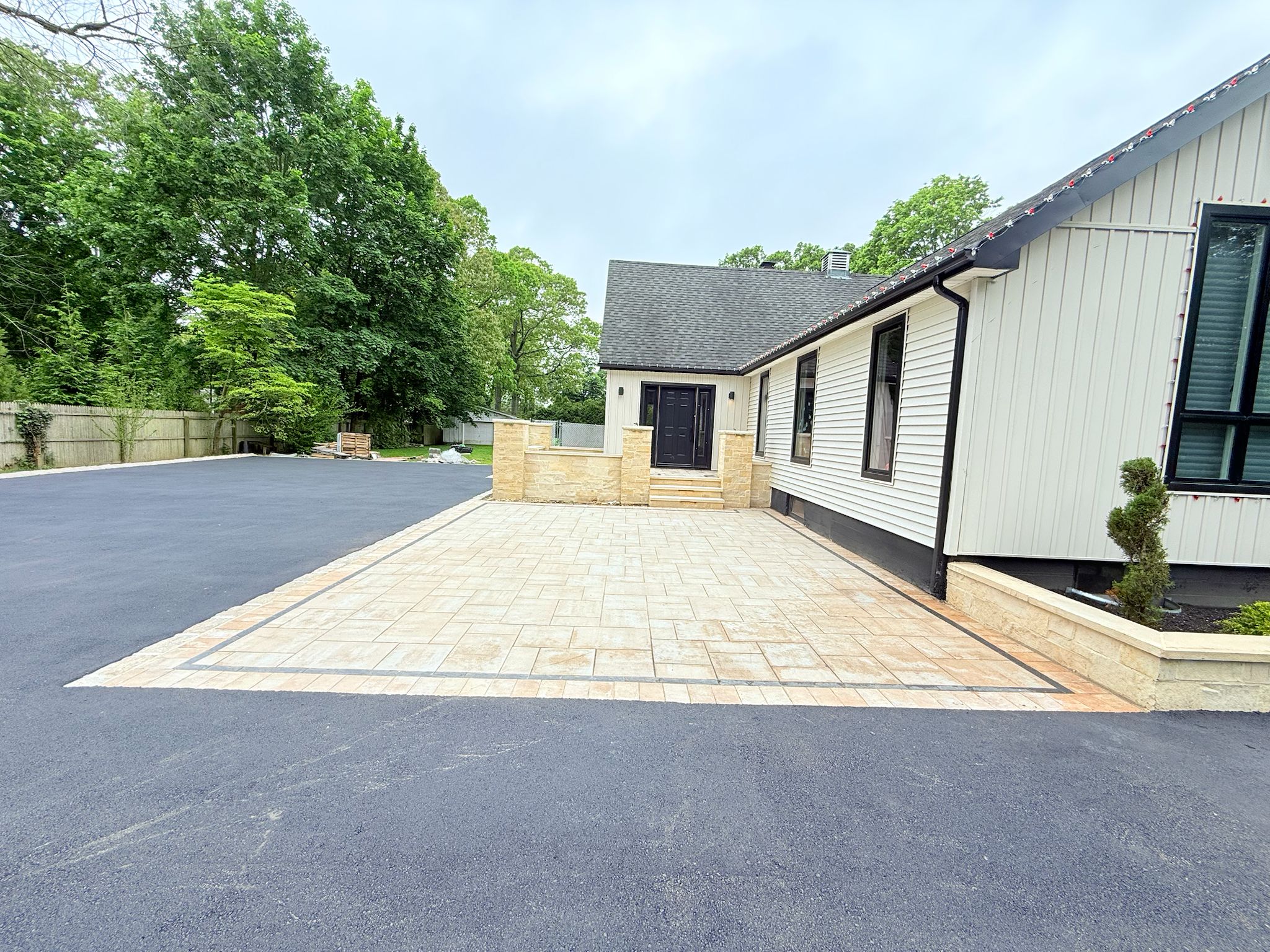
Building Retaining Walls: What You Need to Know
Retaining walls are essential structures in landscaping and construction, designed to hold back soil and create level surfaces. Whether you're planning a garden, a driveway, or a backyard oasis, understanding the intricacies of retaining walls can help you make informed decisions. In this guide, we'll explore the types of retaining walls, their benefits, and essential construction advice.
Types of Retaining Walls
There are several types of retaining walls, each serving different purposes and made from various materials. Here’s a brief overview:
- Gravity Walls: Use their weight to resist earth pressure.
- Cantilever Walls: Use a lever arm to support the structure.
- Counterfort Walls: Reinforced walls with additional supports extending from the wall.
- Sheet Piling Walls: Made of steel, vinyl, or wood, driven into the ground.
- Geogrid-Reinforced Walls: Utilize geogrids for additional strength and stability.
Benefits of Retaining Walls
Retaining walls offer numerous advantages for your landscaping and construction projects, including:
- Preventing soil erosion: Keeps soil in place and reduces erosion.
- Creating usable space: Transforms sloped areas into flat, usable surfaces.
- Enhancing aesthetics: Provides an attractive design element in landscaping.
- Improving drainage: Helps with water management and prevents flooding.
- Increasing property value: Well-constructed retaining walls can enhance your property’s appeal.
Key Considerations for Building Retaining Walls
Before embarking on a retaining wall project, consider the following factors:
- Soil Type: Understanding the soil's characteristics can determine the wall type needed.
- Height and Length: Taller walls require more engineering considerations.
- Drainage Needs: Proper drainage is essential to prevent water buildup and pressure.
- Local Regulations: Check zoning laws and obtain necessary permits.
- Material Selection: Choose materials that match your needs and aesthetic preferences.
Construction Advice for Retaining Walls
Building a retaining wall can be a complex task. Here are some practical tips to guide you through the process:
- Plan Layout: Sketch your design and mark the dimensions on-site.
- Excavate Properly: Dig a trench to accommodate the wall's base and ensure stability.
- Use Appropriate Materials: Ensure that stones, blocks, or other materials are suited for your wall type.
- Incorporate Drainage: Install weep holes or drainage pipes to allow water to escape.
- Backfill Correctly: Use gravel or soil that promotes good drainage behind the wall.
Common Mistakes to Avoid
To ensure the longevity and effectiveness of your retaining wall, avoid these common pitfalls:
- Neglecting drainage: Failing to account for water management can lead to wall failure.
- Using inadequate materials: Subpar materials can compromise the wall's integrity.
- Incorrect wall height: Overestimating load capacity can lead to structural issues.
- Ignoring local regulations: Not adhering to local codes can result in fines or reconstruction.
- Poor foundation preparation: A weak foundation can cause the wall to shift or collapse.
Conclusion
Building a retaining wall is a significant investment that can greatly enhance your property. By understanding the types, benefits, and construction processes involved, you can make informed decisions that align with your landscaping goals. Always consult with professionals if you're unsure about any aspect of the project. At Raymundo Construction Corp, we specialize in offering expert advice and construction solutions tailored to your needs. Visit us at raymundoconstructioncorp.com for more information.